Blockchain: A New Era of Transparency
If we look back a few years, the word blockchain sounded like something mystical, almost exclusive to finance experts or computer scientists. However, today in 2026, it has become the “invisible technology” underpinning much of the digital trust within our organizations. But how would you explain this to someone who has never heard of it?
The “Ledger” That No One Can Erase
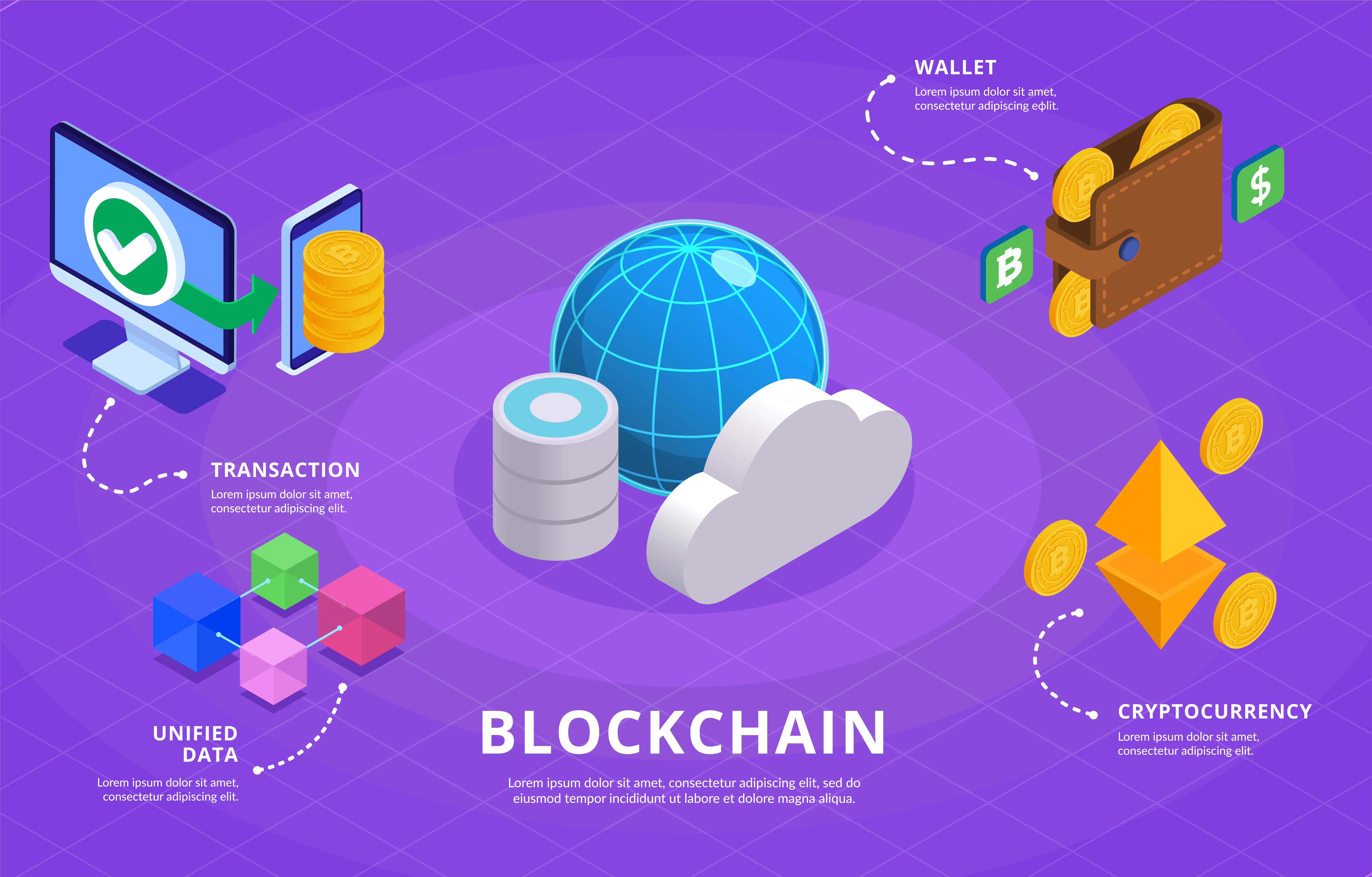
Imagine a record book where transactions are noted down. What makes blockchain revolutionary isn’t just what is written, but how it is stored. Instead of residing on a single centralized server, the information is distributed across thousands of nodes (computers) acting as peers. This system stands on three pillars that make it unique:
- Immutability: Once the network validates data and adds it to a “block,” it is virtually impossible to modify or delete.
- Consensus: There’s no need for a boss or a bank to dictate what is true; the network users themselves reach an agreement through algorithms.
- Transparency: As an open and public database, any change is traceable. This generates trust based on technology rather than the promises of a third party.
How Has the Network Evolved?
In the beginning, maintaining this level of security required immense computing power—the famous Proof-of-Work (PoW) which consumed vast amounts of energy. Fortunately, the technology has matured. Today, most powerful networks have migrated to Proof-of-Stake (PoS). This has not only made the system thousands of times more eco-friendly but also far more agile for everyday business operations.
Real-World Applications in Our Company
How does this actually help us today? This is where blockchain shines outside the financial world:
- Smart Contracts: These are self-executing programs that run when a specific condition is met. For instance, a payment can be released automatically the exact moment a sensor confirms that goods have entered the warehouse.
- IoT Security: It allows our devices (sensors, cameras, or machinery) to update securely. Blockchain verifies that the software is authentic and hasn’t been tampered with by a third party.
- End-to-End Traceability: In logistics, we can see exactly whose hands a product has passed through with unalterable timestamps, eliminating errors and fraud in the supply chain.
- Proof of Existence: We can certify that a document, design, or contract existed on a specific date without needing a traditional notary—making the process faster and significantly more cost-effective.
In Summary
Blockchain has evolved from a mere promise into a tool for digital efficiency and honesty. It allows us to collaborate with other entities, suppliers, or clients without the need for “blind trust,” because the technology itself ensures that the rules of the game are followed by everyone. In a world where data is the most valuable asset, having a “chain” to protect it is, quite simply, a smart move.